
What to Expect During the Divorce Process in Kentucky
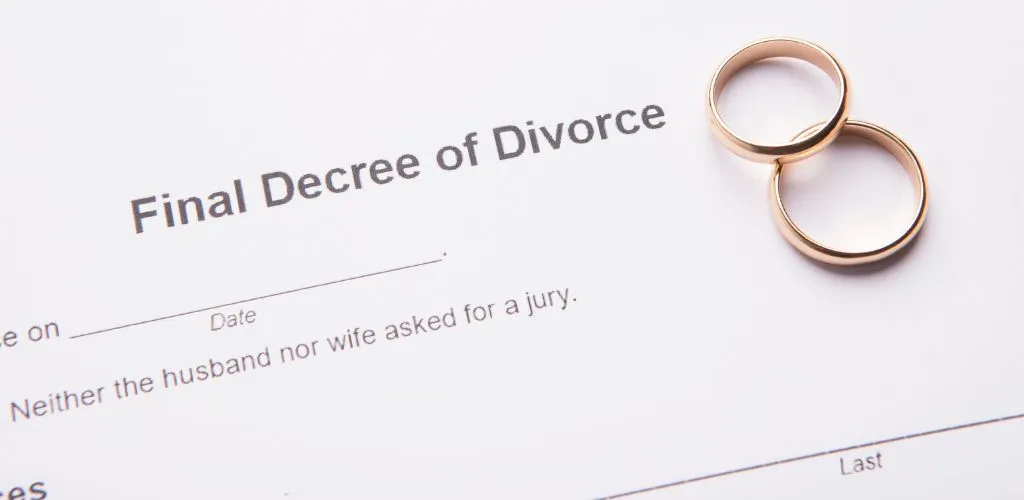
Divorce is one of life’s most stressful events that can have financial and personal implications for years afterward. A clear understanding of the process is critical to successfully navigating it.
An experienced family law attorney is a valued partner for divorce, which can take months or years. When deciding on an attorney, consider one who is available when you have questions and who can explain each step and your role with patience.
Understanding the Requirements for Divorce in Kentucky
Most states follow similar procedures for divorce that include paperwork, agreeing to the terms (through mediation or litigation), and a waiting period. Kentucky is a “no fault” divorce state, so there is no need to prove wrongdoing.
Other requirements include:
- At least one spouse must reside in the state for 180 days before filing for divorce.
- There is a 60-day requirement for “living separately” (can be in the same residence but without intimacy).
- The paperwork required is available at the Circuit Court in the county where you reside, and sometimes on the court’s website. Couples without assets or minor children may use online forms. A filing fee of $115-$160 is due upon filing.
Steps in the Process of Divorce

- Complete the court’s paperwork, called a Petition for Dissolution of Marriage. It must clearly state that the relationship is irretrievably broken.
- In an uncontested divorce, the spouse may sign a Waiver of Service and Entry of Appearance, eliminating the need for a process server and the related waiting time.
- Serve the petition on your spouse using a constable, process server, or certified mail, which will return proof of service to the court. If your spouse does not respond within 20 days, the court may grant a default divorce.
- Both spouses must fill out and exchange financial disclosure forms within 45 days of the date of service.
Contested vs. Uncontested Divorce
An uncontested divorce is when both parties agree on the divorce terms and submit a marital settlement agreement to the circuit court for approval. This divorce can be settled within months.
In a contested divorce, disagreements prevent the parties from agreeing to terms of divorce. Mediation may be required before a trial is scheduled. These cases often take at least a year to be resolved.
Property Division in Divorce
Because it is not a community property state, Kentucky courts follow rules of equitable distribution, which allows a judge to determine how marital assets are divided. This rarely results in a 50/50 split.
Equal Parenting Time in Child Custody
In 2018, Kentucky law made equal parenting and shared custody the default for divorcing parents. If a different arrangement is requested, the parents must agree or, one must prove that shared custody would be harmful to the child.
Calculating Child Support
The court uses a formula called “income shares” to calculate how much each parent contributes to their child’s needs using each parent’s adjusted gross income. Since 2023, the law adjusts child support according to the number of parenting days per year by each party.
Spousal Maintenance
Maintenance is the same as alimony. It is awarded only if a court finds that the spouse seeking support lacks the ability to meet their reasonable needs and cannot find appropriate employment. The award is by discretion of the presiding judge.
The 60-Day Waiting Period
The earliest a Kentucky judge can decree a divorce is 60 days after the paperwork is served on your spouse. This is called a cooling off period, designed to allow a couple the opportunity to reconsider.
Help and Guidance Can Be Essential
As straightforward as the process seems, having an experienced guide and sounding board can be crucial. Divorce is a legal process that does not provide many second chances if any evidence is withheld. Spouses who share significant assets, have a child with complex needs, or who have particular need for spousal support will benefit from the assistance of an expert from Howell Law PLLC. Call for a consultation today.
This blog post is for informational purposes only and does not constitute legal advice