
What Happens if You Refuse a Breathalyzer in Kentucky?
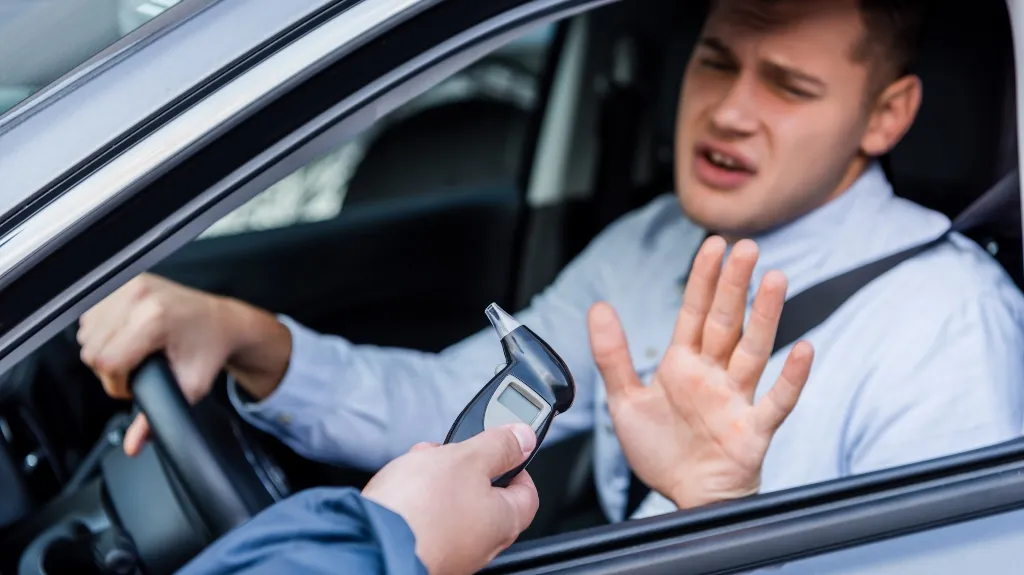
Getting pulled over on suspicion of drunk driving is a stressful situation. You may wonder if you’re within your rights to decline the breath test. The short answer is yes, but there are implications to either decision.
Understanding the consequences of declining a breathalyzer starts with grasping the seriousness of a DUI charge in Kentucky. An experienced criminal defense attorney can spell out the pros and cons of each, as well as a strategy for a DUI charge.
Kentucky’s Implied Consent Law
Anyone who operates or is in physical control of a motor vehicle in the Commonwealth of Kentucky is deemed to have already consented to testing their breath, blood, or urine when a law enforcement officer has reasonable grounds to believe the driver is impaired. Known as “implied consent,” this legal doctrine treats chemical testing as a condition of the privilege of driving. The officer, not the driver, chooses the type of test to be administered.
Interestingly, the implied consent doctrine applies to the official evidentiary test given after a DUI arrest at the police station or hospital, not the small portable breathalyzer device used in the field. Declining the field test does not automatically result in a license suspension although the driver may be arrested based on law enforcement observations.
Immediate Consequences of Refusal
Refusing the official test has consequences regardless of an eventual DUI conviction. The court will suspend the driver’s license of those who refuse testing at their arraignment, and the suspension usually remains in effect until the case is resolved. This suspension time is credited toward any penalty if a conviction follows.
The driver’s record over a ten-year period determines the length of license suspension:
- a first refusal carries a suspension of 30 to 120 days
- a second refusal within 10 years carries a 12- to 18-month suspension
- a third refusal results in a 24- to 36-month suspension
- a fourth refusal carries a 60-month suspension
Refusing a breathalyzer has additional implications, too: declining makes you ineligible for a hardship license (used to get to work and other necessary trips). But you may be allowed to drive with a breath-testing ignition device during the suspension period.
Commercial drivers face steeper consequences. A first refusal results in a one-year disqualification of a commercial driver’s license, and a second refusal disqualifies a CDL holder for life.
How Refusal Can Be Used Against You
Refusing a breath test does not deprive prosecutors of evidence, it simply shifts their tactics. The refusal itself is admissible in court as evidence that the driver violated the DUI statute, and prosecutors may argue it infers guilt.
Repeat offenders face higher stakes. If a driver with a prior DUI refuses testing and is later convicted, the refusal doubles the mandatory minimum jail sentence: a seven-day minimum becomes two weeks.
Law enforcement may use a search warrant to force blood testing if a suspect refuses, and courts routinely uphold testing conducted with a valid warrant.
Using Your Limited Time Wisely
Kentucky law gives drivers a brief window of 10 to 15 minutes to reach an attorney before a post-arrest chemical sobriety test. Making a decision to comply or refuse in that period can be fraught. Consulting with a criminal defense attorney from Howell Law PC can clarify your options. If you have already refused a breathalyzer, early legal help is essential during the pretrial suspension and evidentiary period. An experienced defense attorney can determine whether the officer had reasonable grounds for the arrest, whether the required warnings were provided, and whether what police recorded as a refusal actually was one. Call for a consultation today.
This blog post is for informational purposes only and does not constitute legal advice